
"Knowledge is not power. The sharing of knowledge is power. It's like water – it's most useful when it's flowing. The more you share, the more you have. The more you hold back, the more it stagnates. We need to be sharing our knowledge, not just hoarding it."
- Geoff Lawton
Regenerative Living in Practice
Design Ideas, How-Tos, and Inspiration from Reimagined Roots
Welcome to the Reimagined Roots blog, your resource for regenerative landscaping, permaculture design, and edible gardening in Central Massachusetts. We share stories, strategies, and seasonal insights to help you transform your yard into a resilient, abundant ecosystem. Whether you're envisioning a backyard food forest, exploring the use of native plants, or looking for sustainable, low-maintenance ways to care for your land, you’ll find practical guidance rooted in experience. Every post reflects our work creating ecological, edible, and beautiful landscapes that nourish both people and the planet.
Want to join us? Sign up for our newsletter to stay in the loop!
Interested in partnering or attending a workshop or event? Contact us, we’d love to connect! 🌱
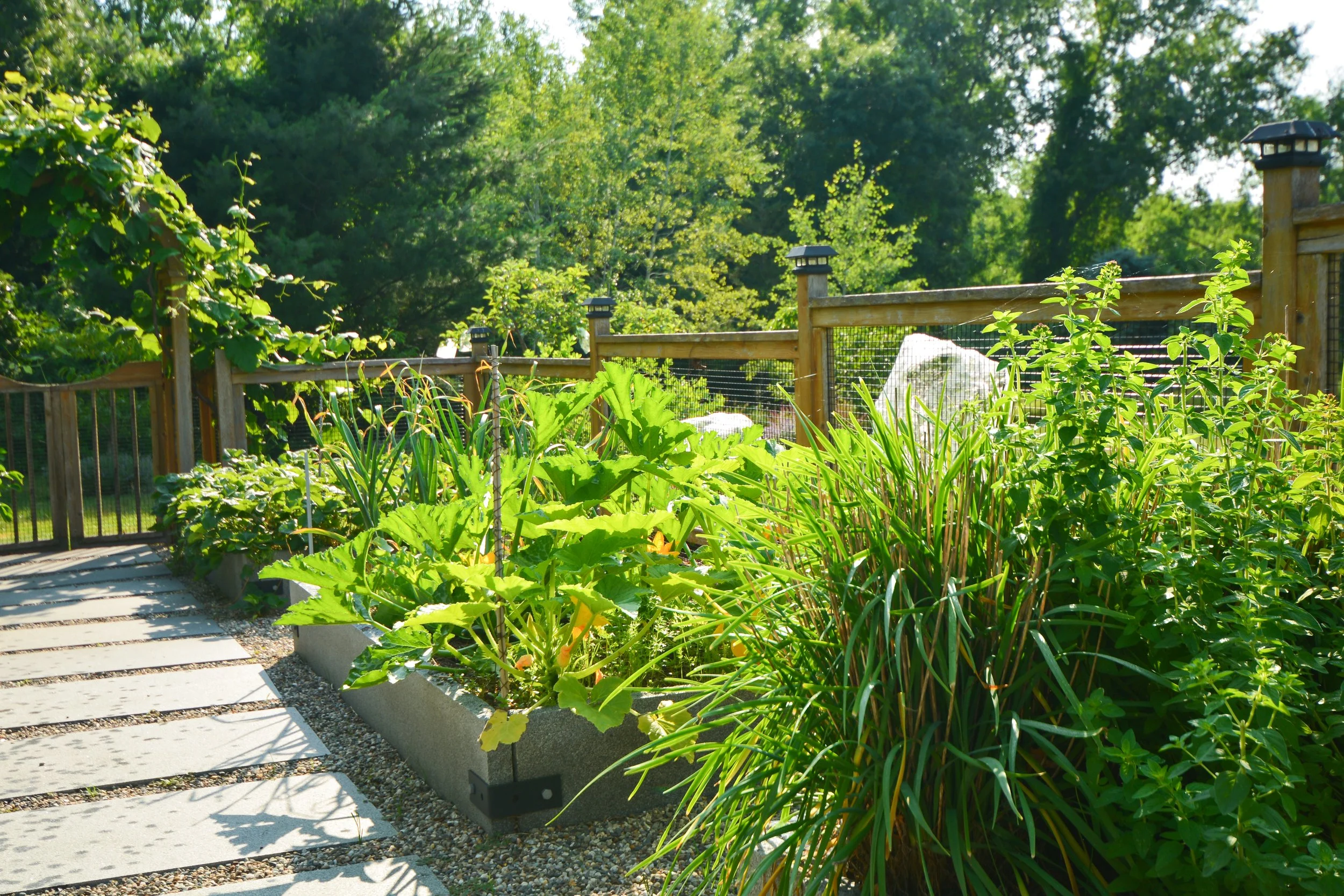
What do I do in the garden in September?
September is one of the best gardening months in Central Massachusetts. Warm soil and cooler temperatures create an ideal window for fall planting, eco-lawn seeding, cover crops, soil building, and planning next year’s landscape. Learn what to plant, water, harvest, and prepare before the season changes.
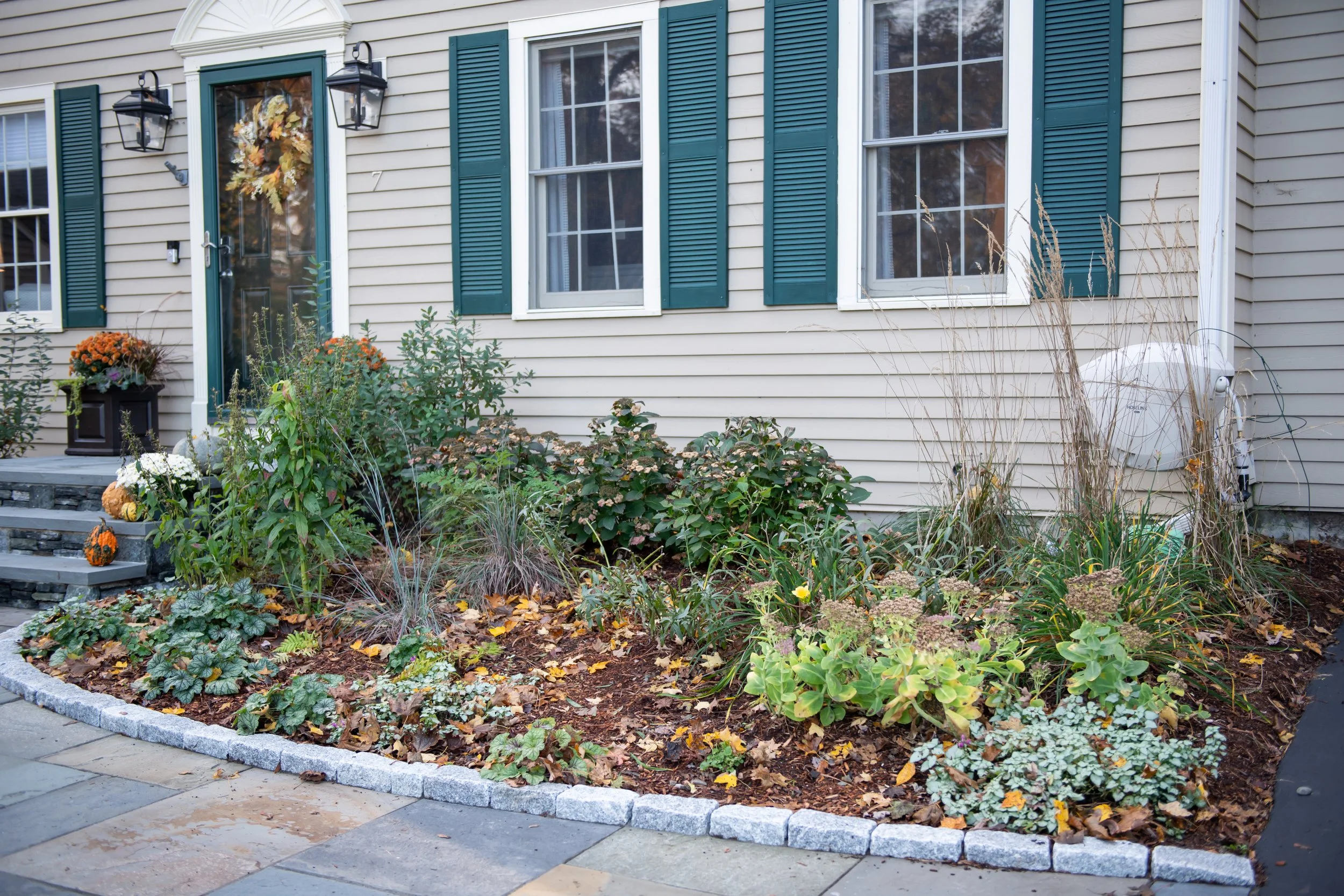
‘Leave the Leaves’ Doesn’t Work if it’s Done Wrong…
Leaving the leaves can support pollinators and beneficial insects, but only if you do it right. Learn how to create long-term insect habitat with leaves, sticks, dead wood, and designated areas without sacrificing your lawn or creating a messy landscape.
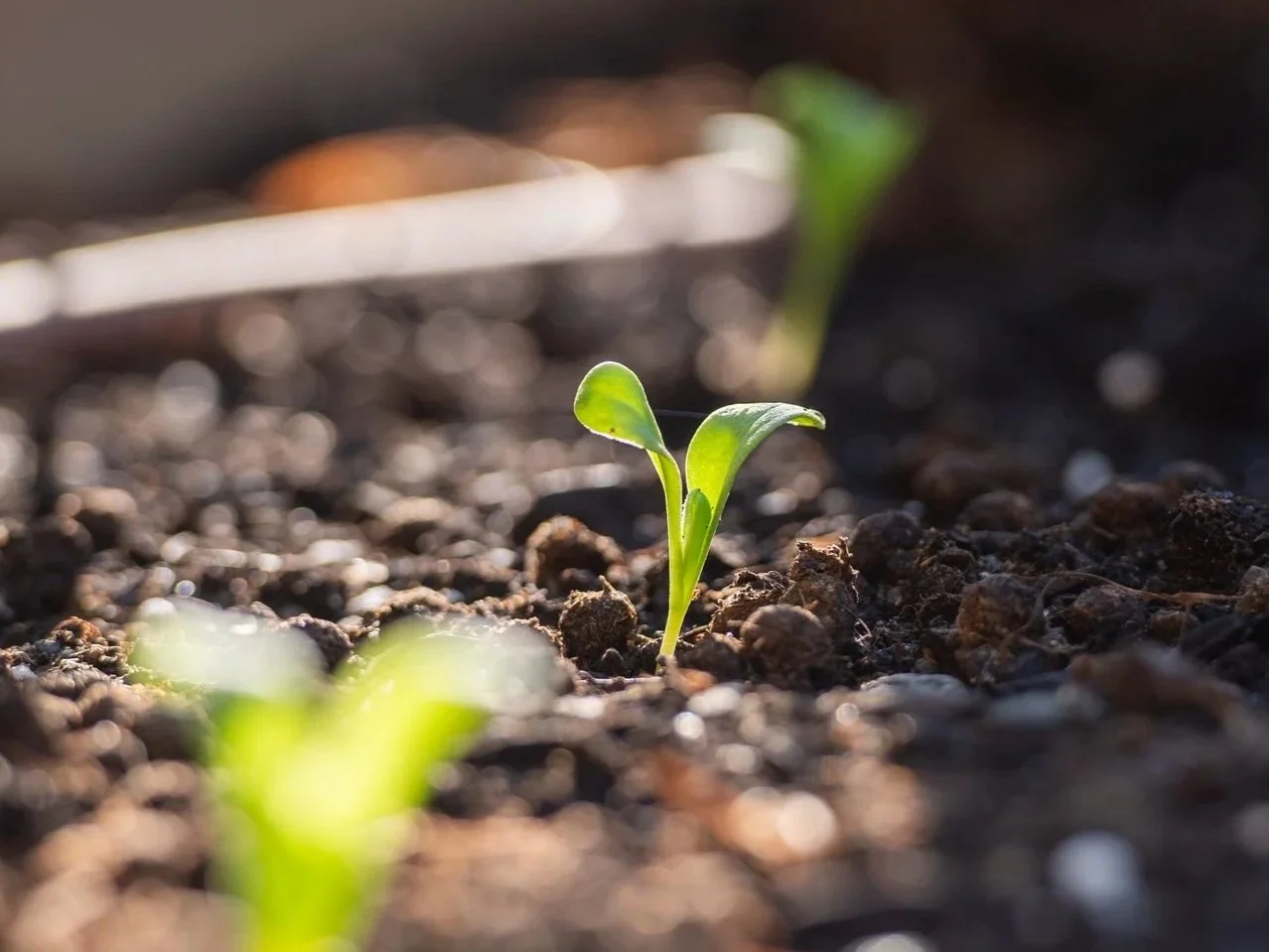
What is Regenerative Agriculture?
What if the way we grow food could restore our soil, strengthen ecosystems, and improve human health? This article explores the principles of regenerative agriculture, why soil health matters, and how small changes from composting to supporting regenerative farmers can help build a more resilient future from the ground up.
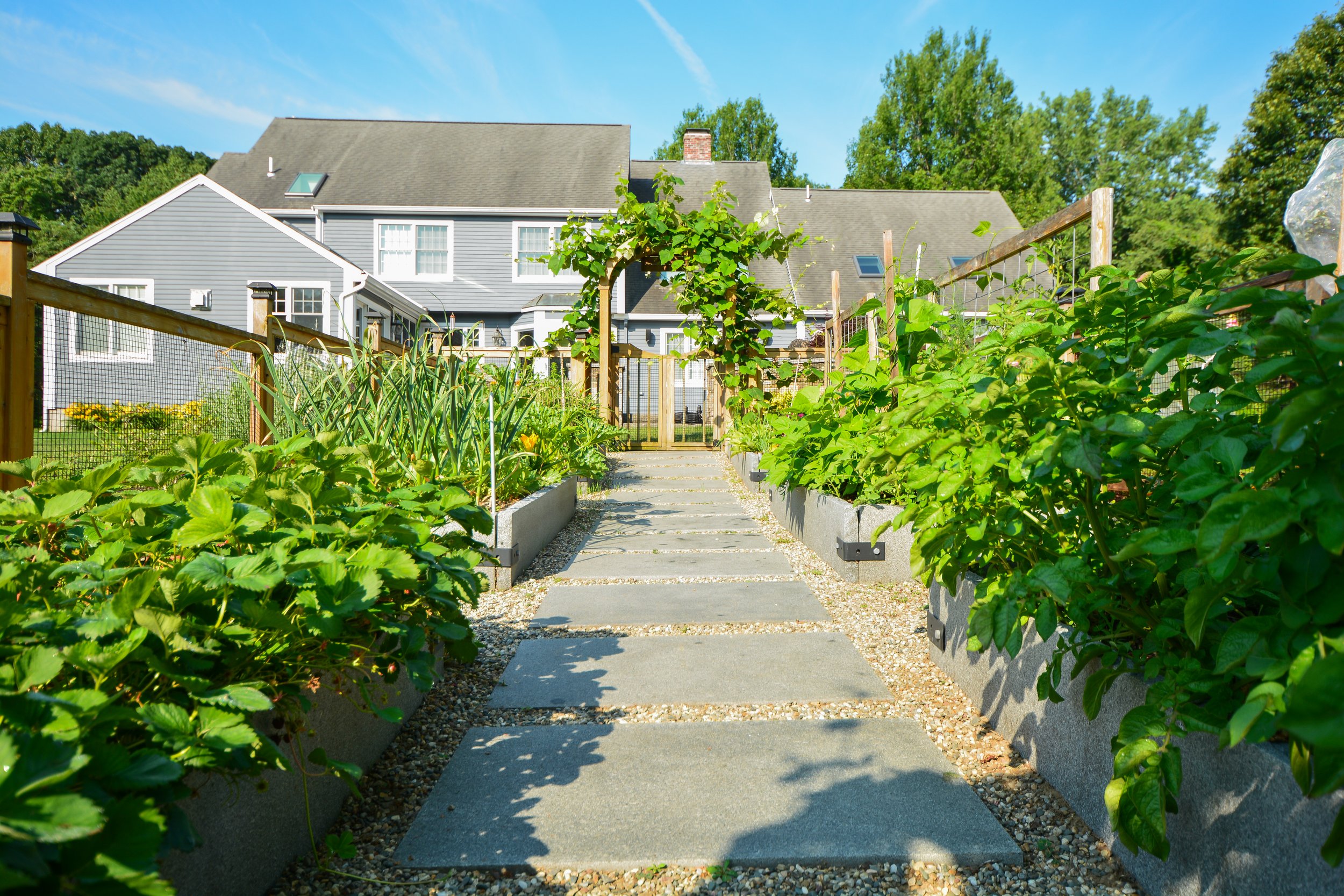
What do I do in the garden in August?
August gardening in Central Massachusetts is all about harvesting, planting for fall, and building resilient garden systems. Learn what to harvest, what to plant now, how to water efficiently during summer heat, and how to support healthy soil, pollinators, and productive landscapes with organic gardening and permaculture practices.
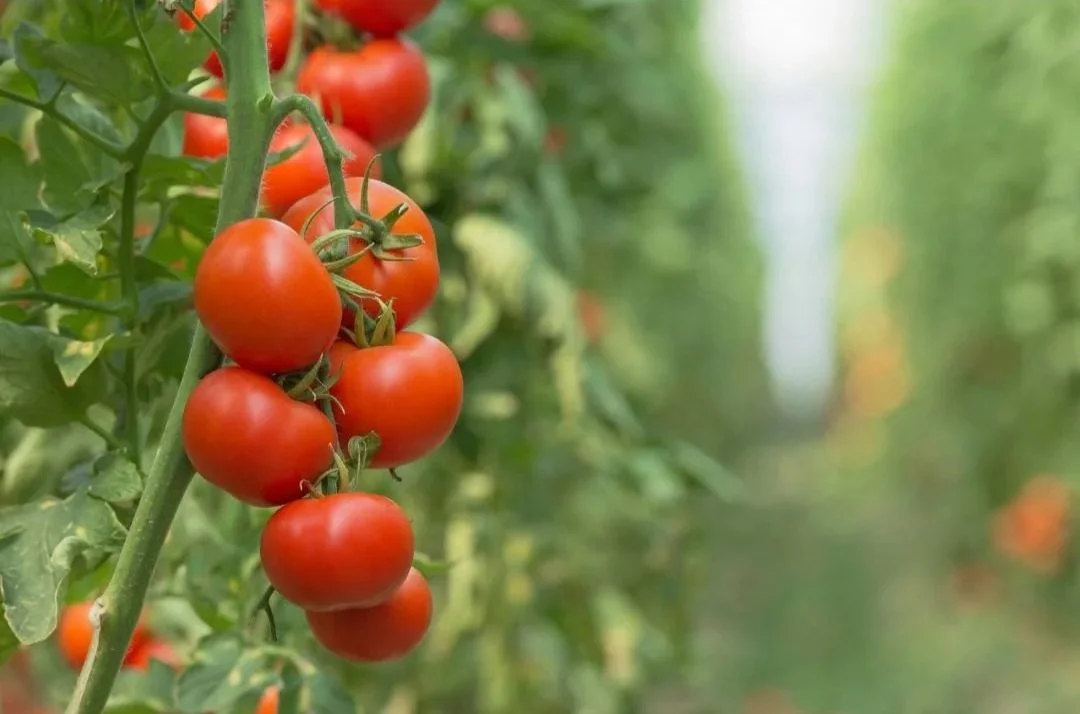
What’s the deal with pruning my tomatoes?
Learn how to prune tomato plants for healthier growth, better airflow, and bigger harvests. This guide covers determinate vs. indeterminate tomatoes, how to identify and remove suckers, common pruning mistakes, and practical tomato care tips for gardeners growing tomatoes in Massachusetts and throughout New England.
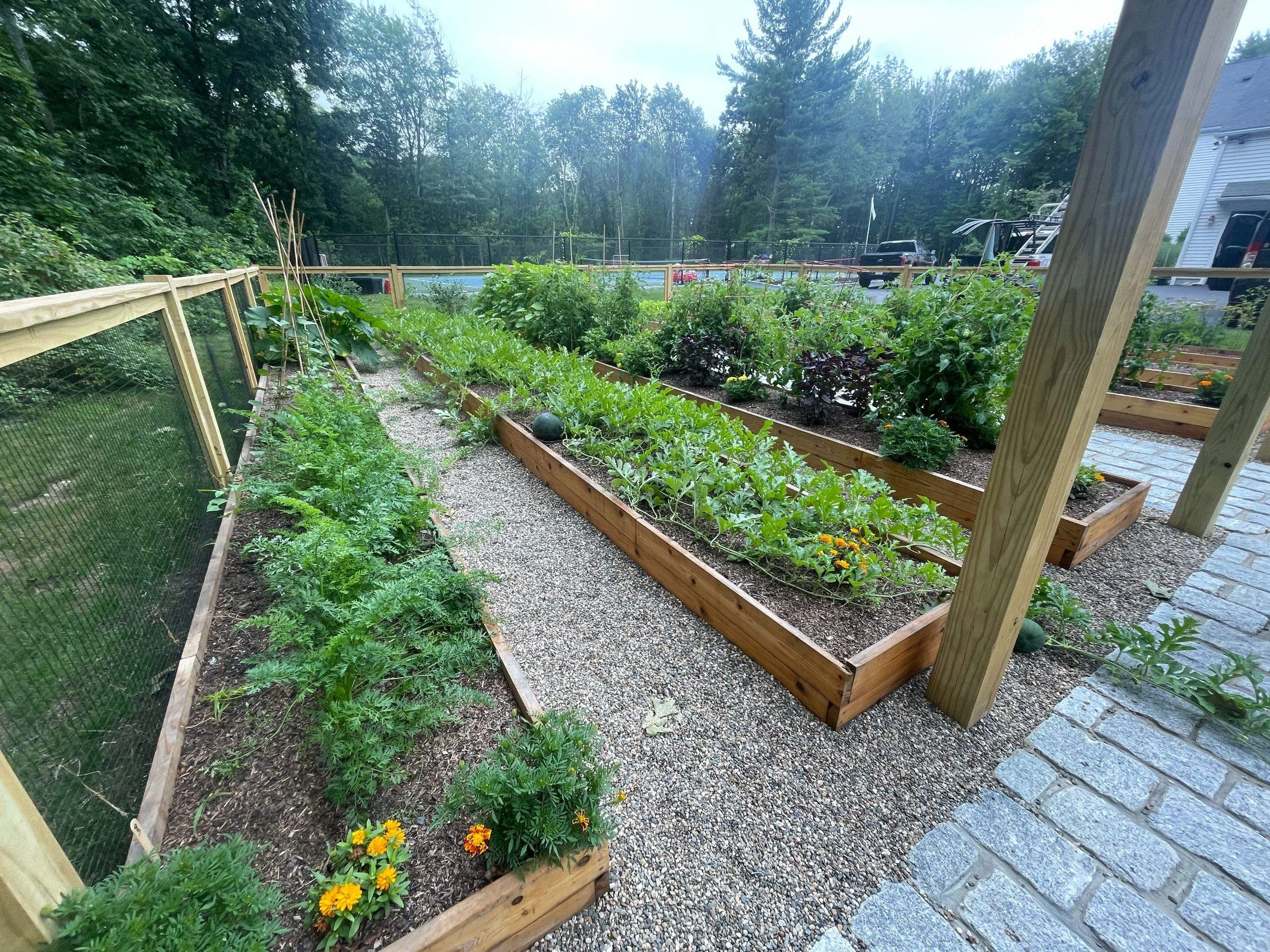
What do I do in the garden in July?
June gardening in Central Massachusetts is all about supporting healthy growth before summer heat arrives. Learn what to plant in June, how to mulch and water properly, and how to strengthen your garden through soil health, succession planting, and thoughtful landscape stewardship for a productive growing season.
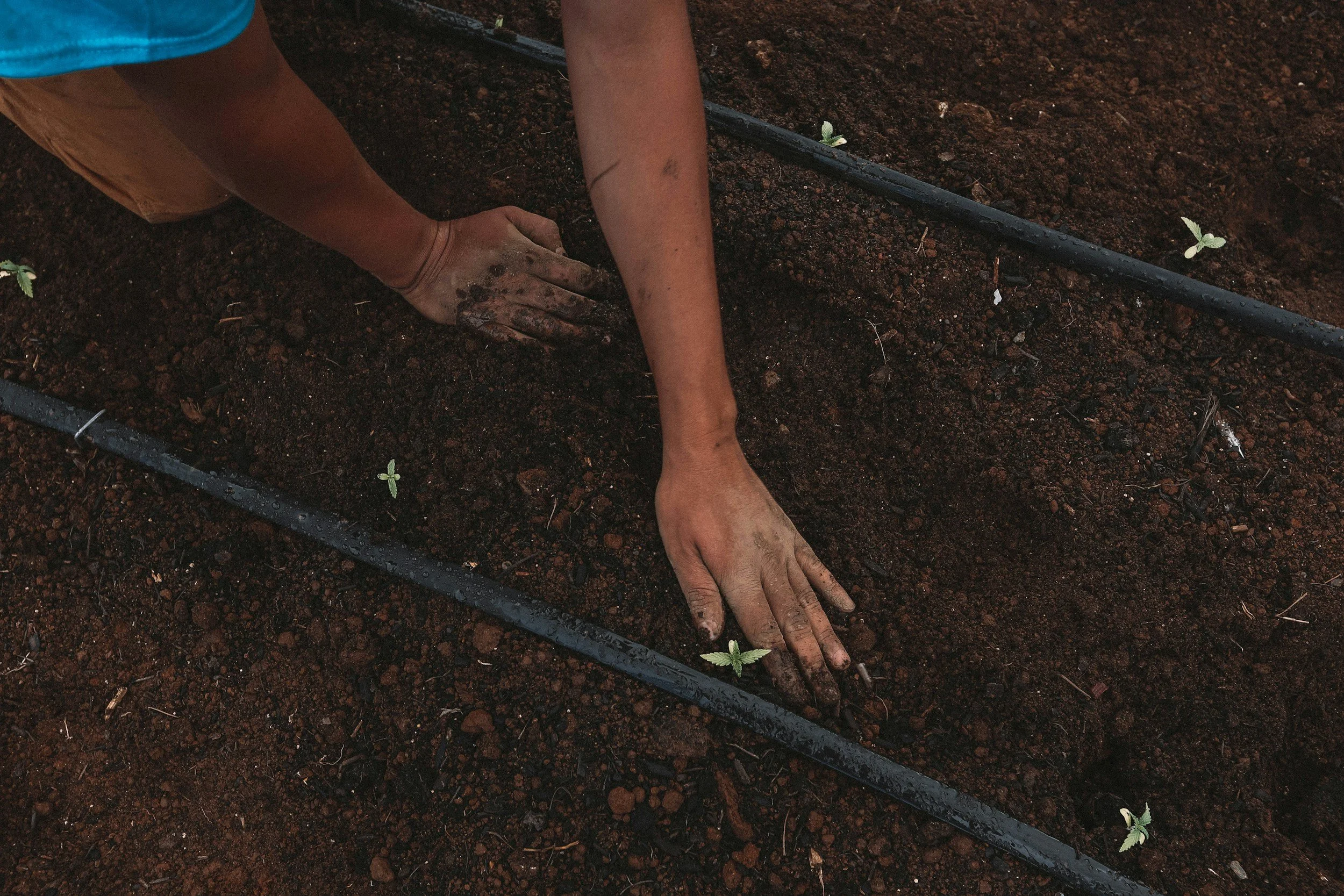
How to water new plants, even during a watering ban
Learn how to water new trees, shrubs, gardens, and grass seed for strong root growth and long-term success. This guide covers deep watering techniques, watering schedules, drip irrigation, and practical tips for keeping new plantings healthy, even during Massachusetts outdoor watering restrictions and summer watering bans.
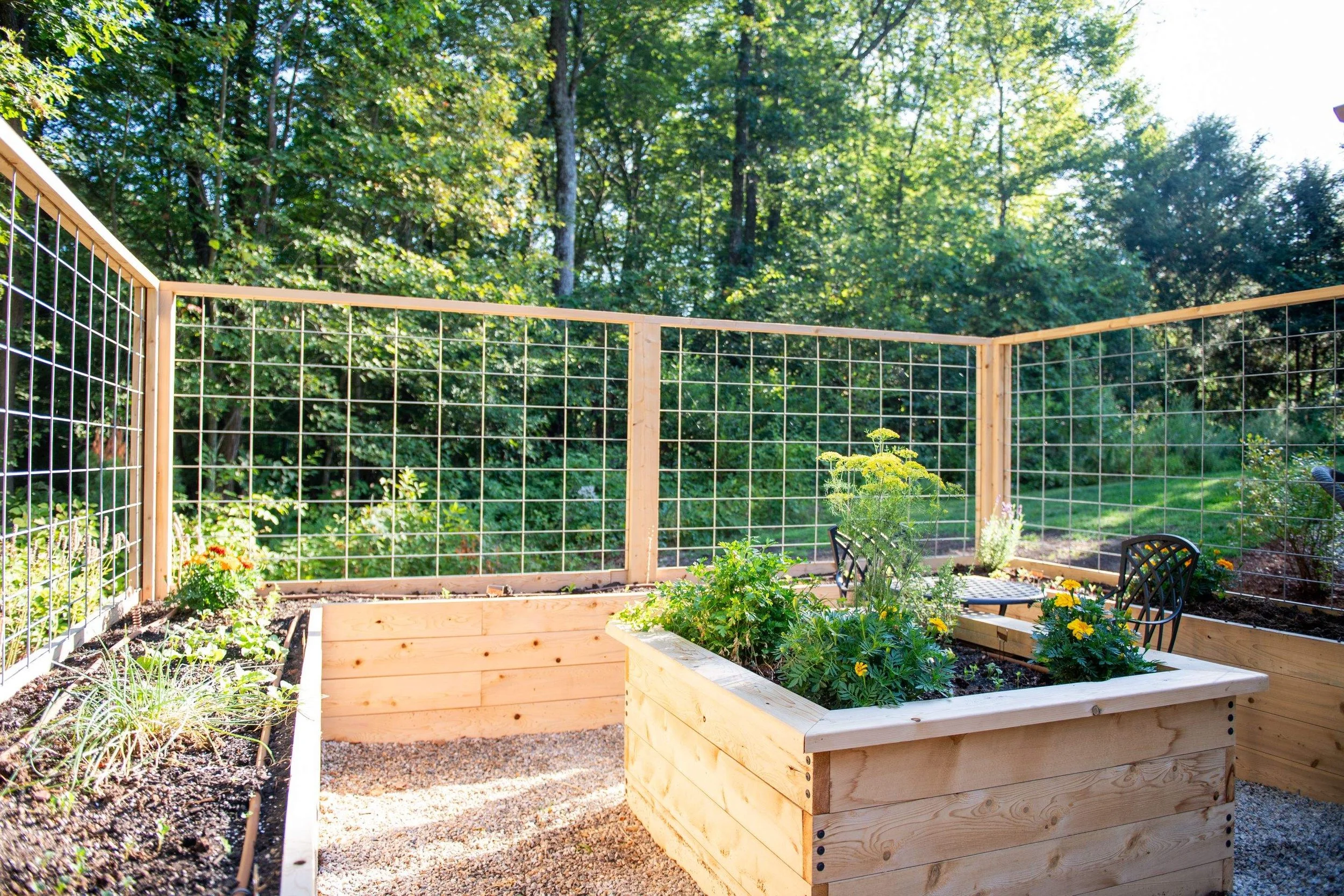
What do I do in the garden in June?
June gardening in Central Massachusetts is all about supporting healthy growth before summer heat arrives. Learn what to plant in June, how to mulch and water properly, and how to strengthen your garden through soil health, succession planting, and thoughtful landscape stewardship for a productive growing season.
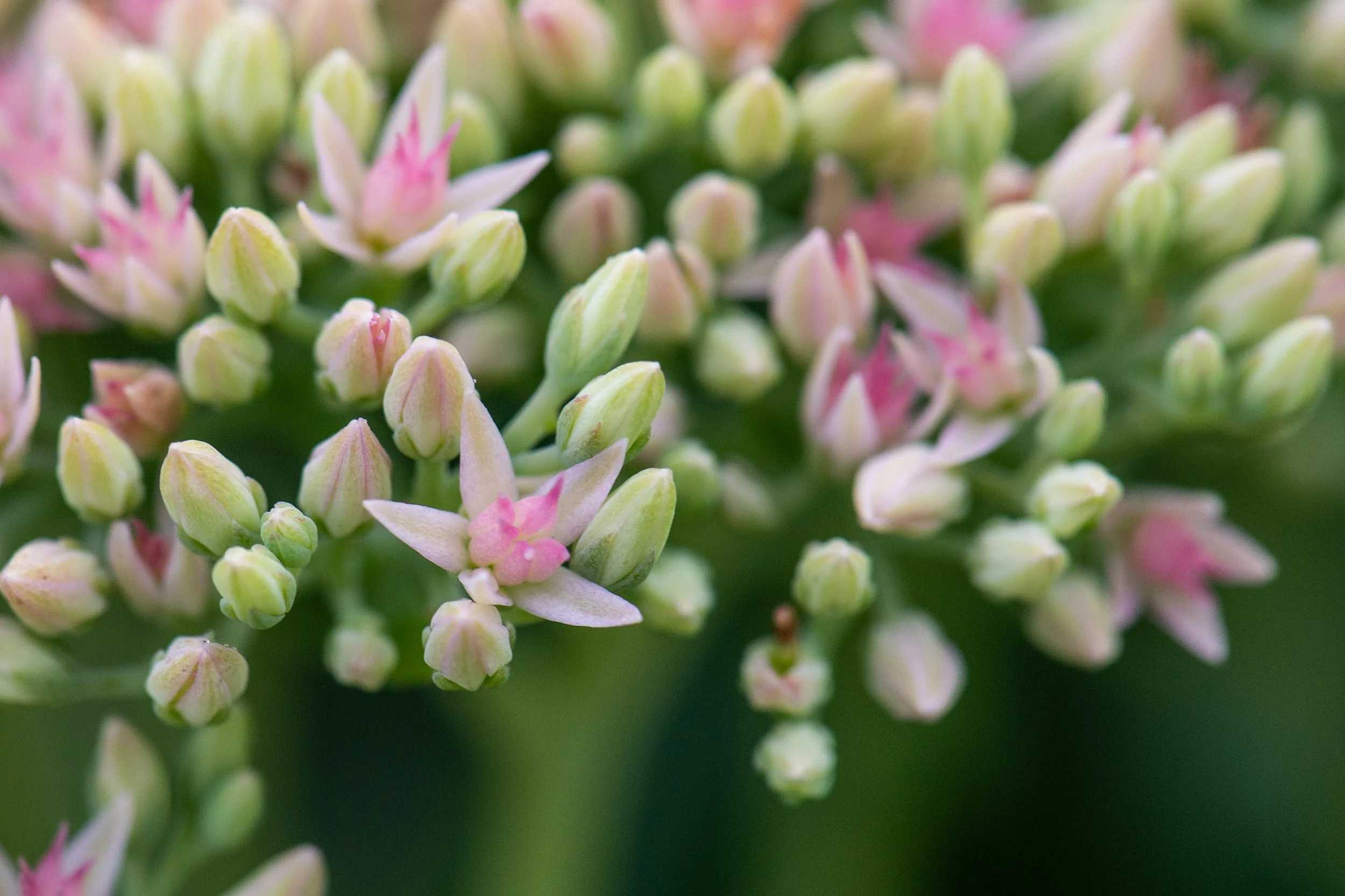
What do I do in the garden in May?
May gardening in Central Massachusetts is all about timing. Learn what to plant in early vs. late May, how to finish spring cleanups, install raised garden beds, and protect soil after a cold, wet spring. This guide covers planting windows, soil readiness, and smart garden decisions for a healthy, productive season.
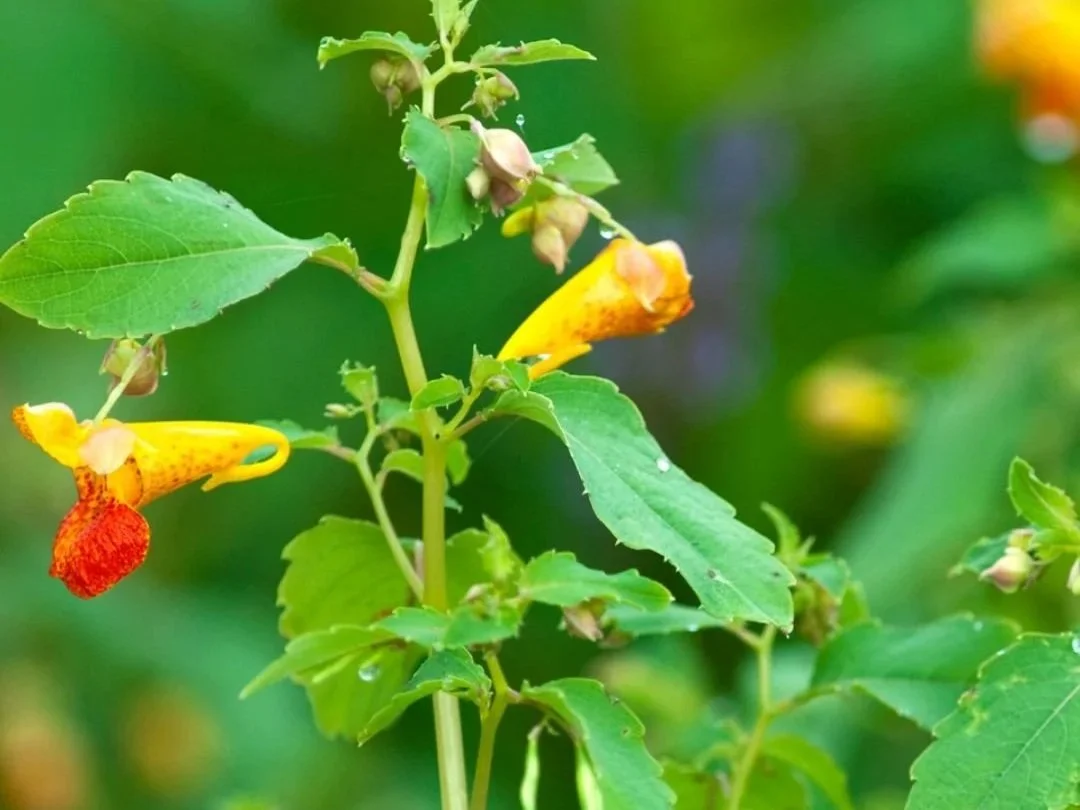
Natural Poison Ivy Antidotes
Learn natural poison ivy remedies using plants commonly found in Massachusetts. This guide covers jewelweed, plantain, and rhubarb, including how to identify them, where they grow, and how to use them to soothe poison ivy rash and reduce irritation naturally.
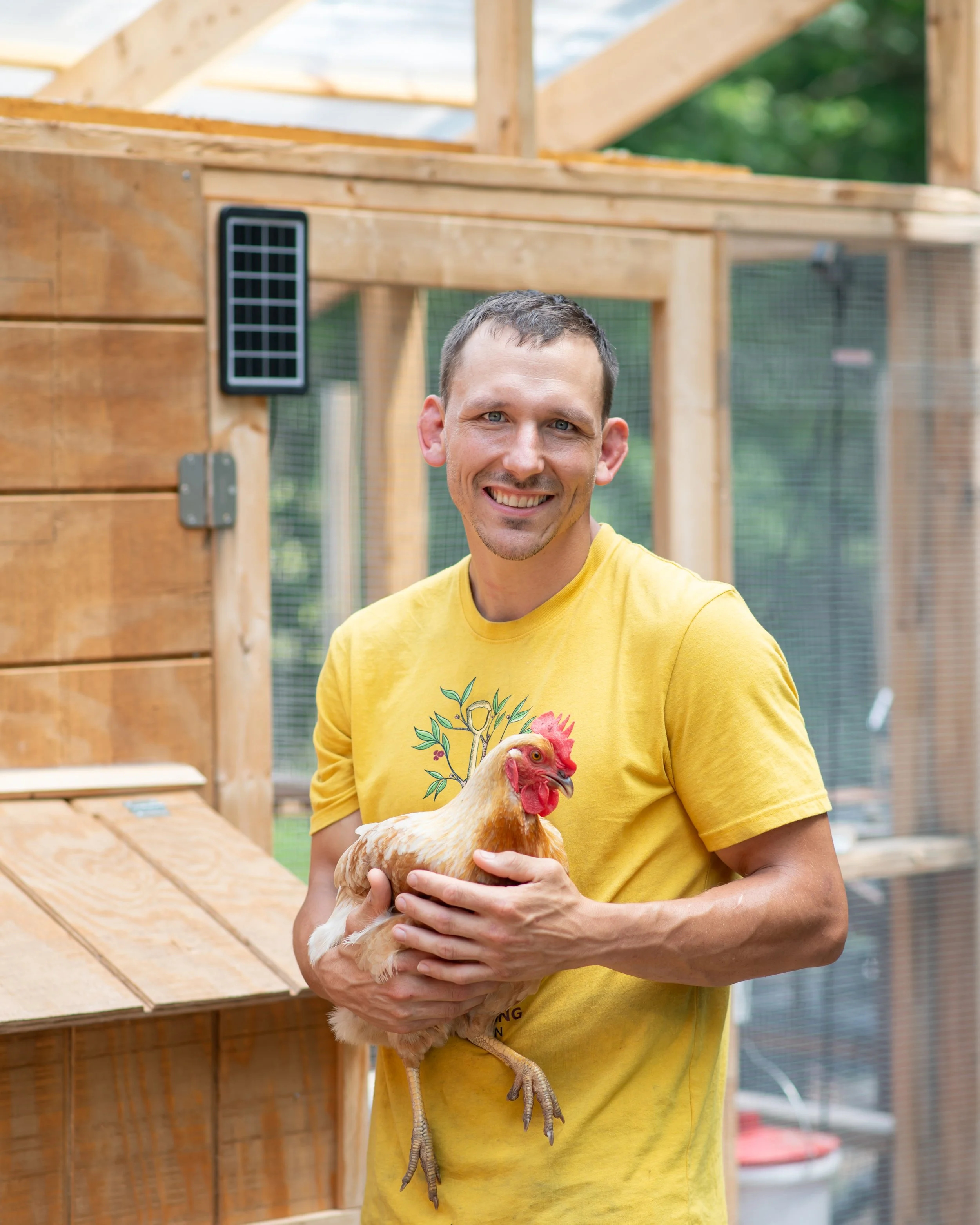
Chicken Parenting Hacks for New Parents
Caring for backyard chickens in Massachusetts doesn’t have to be a huge chore. Here are our tips and tricks on how to care for baby chicks, set up a brooder, and manage feeding, water, and coop systems so you can set yourself up for success on your homestead.
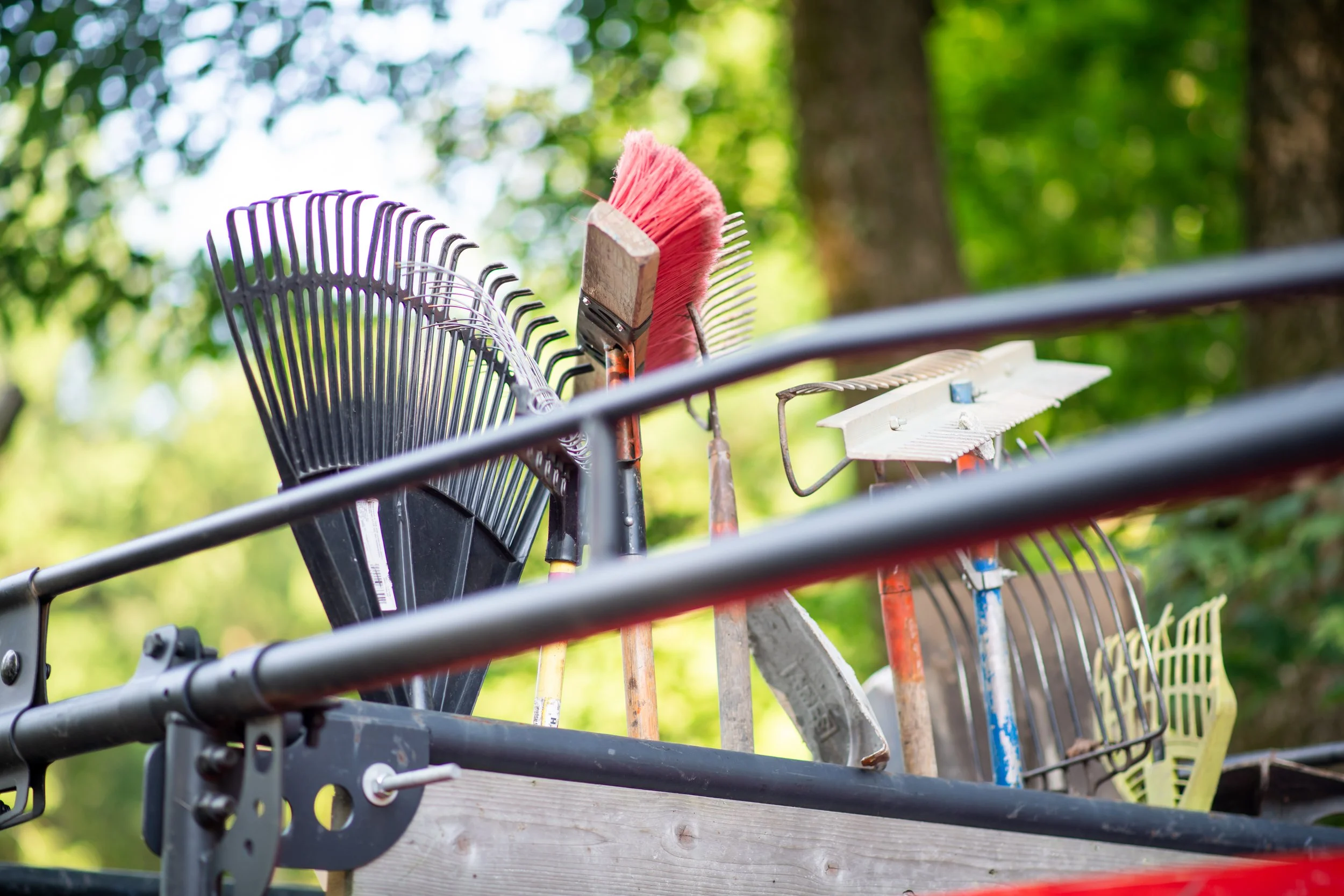
What do I do in the garden in April?
April gardening in Central Massachusetts means cold, wet soil, spring cleanups, and starting seeds indoors. Learn what to prune now, when to plant outside, and how to time your garden work for a healthy, productive season.
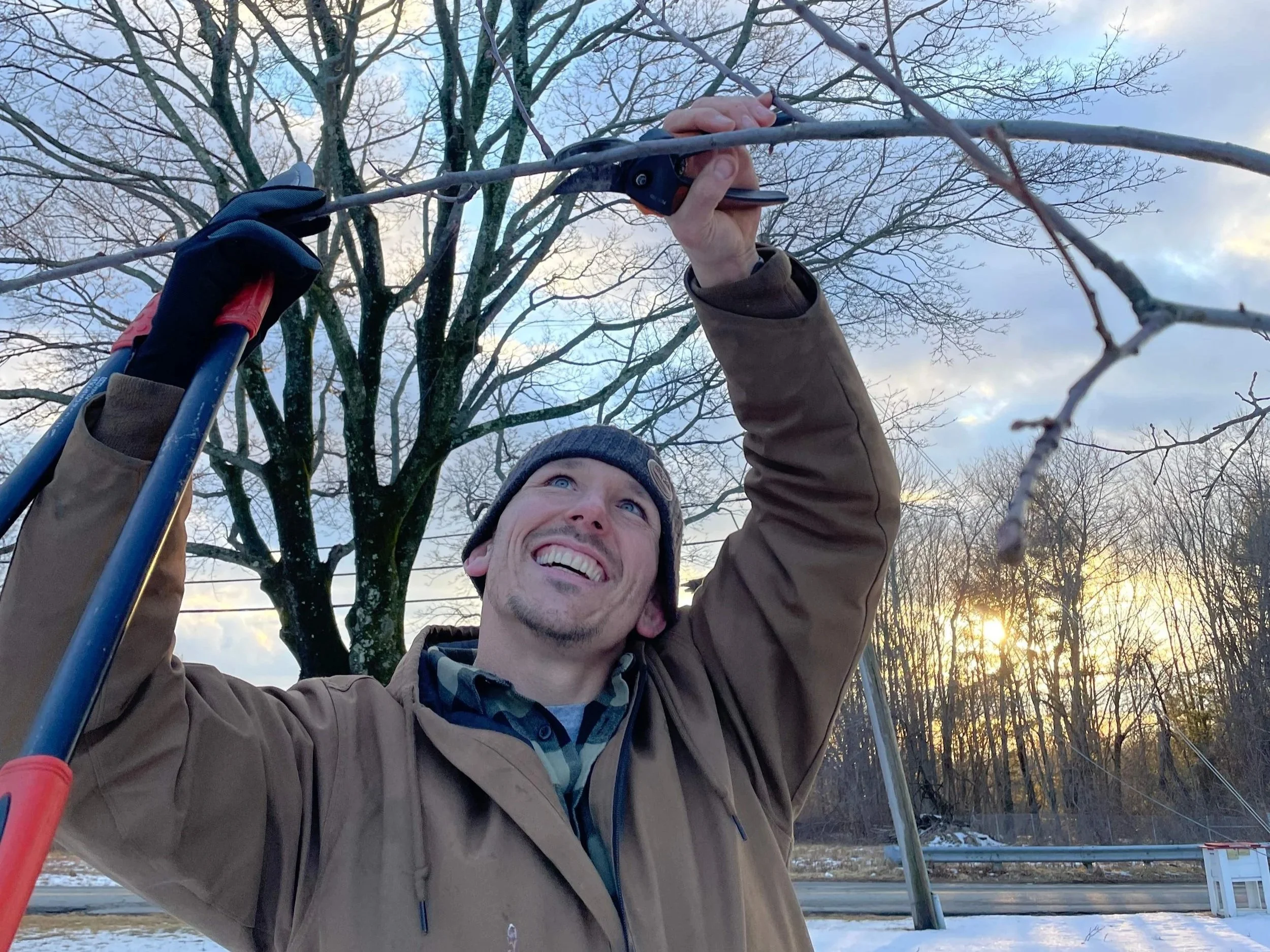
What do I do in the garden in March?
March gardening in New England means thawing soil, late winter pruning, and starting seeds indoors. Learn what to prune now, when to start seedlings, and how to protect soil during freeze–thaw as you prepare your garden for spring.
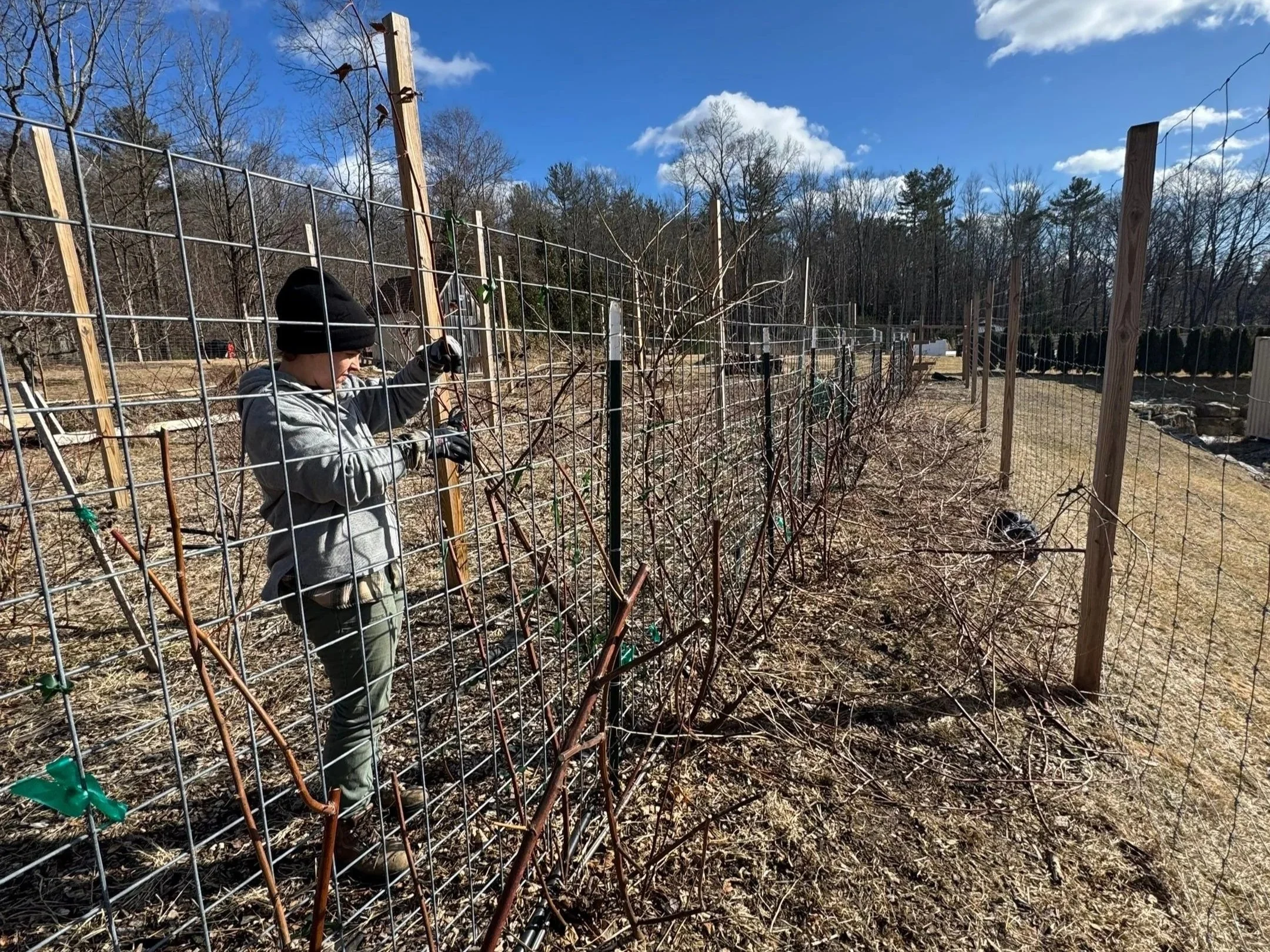
Purgatory? Or Precipice?!
A reflection on seasonal change, generational cycles, and the quiet signals of spring returning beneath melting snow. As the landscape begins to wake, we consider resilience, patience, and the role each of us plays in shaping the next season.
What do I do in the garden in February?
February is not a pause in the garden. It is a planning window. From late winter pruning and indoor seed starting to thoughtful garden design and infrastructure building, the decisions you make now shape how smoothly spring unfolds. Here’s how to use February to guide energy, protect soil, and prepare resilient systems for the season ahead.
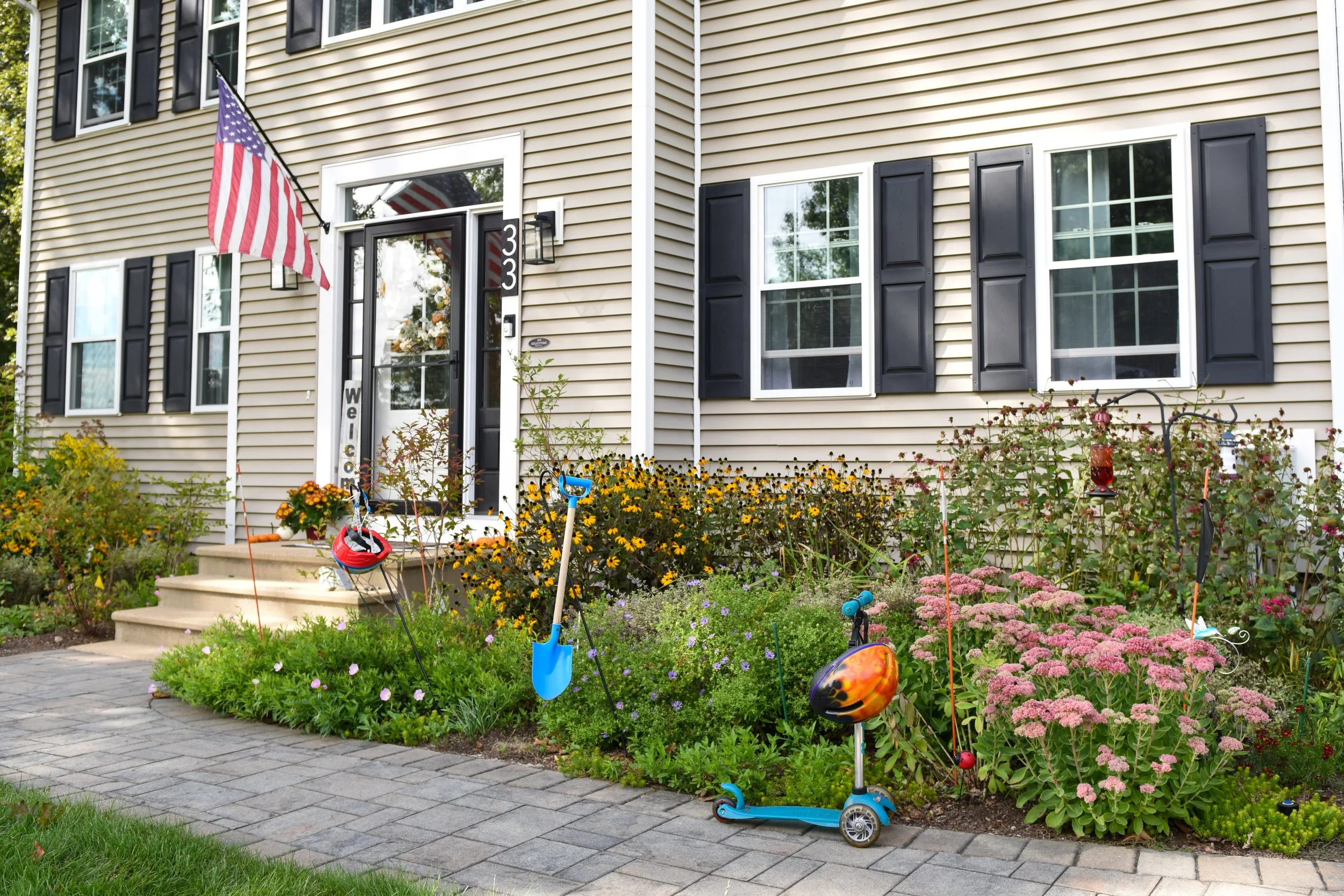
Landscape Stewardship vs. Maintenance: What’s the difference?
Landscape stewardship is an ecological approach to land care that prioritizes soil health, biodiversity, water management, and long-term resilience. Explore the difference between maintenance and stewardship, and how a systems-based approach to landscaping can reduce inputs, support pollinators, and create healthier, more sustainable residential landscapes in Massachusetts.
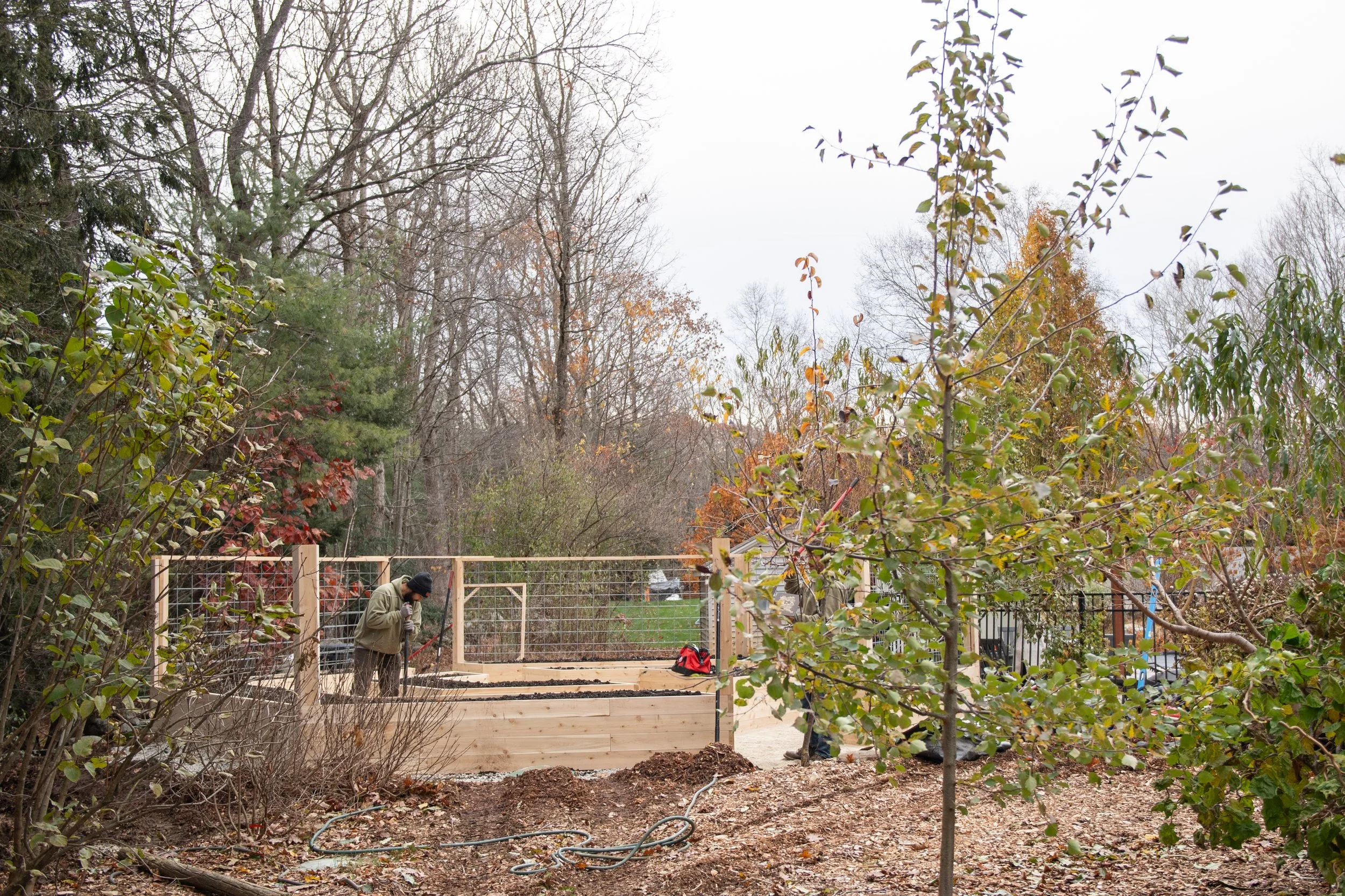
What do I do in the garden in January?
This January Garden Care Guide focuses on protecting frozen and saturated soil, using winter observation to inform permaculture based design, understanding appropriate timing for pruning, and preparing garden systems before spring. Practical guidance for homeowners who want healthier soil, fewer spring problems, and long term resilience.
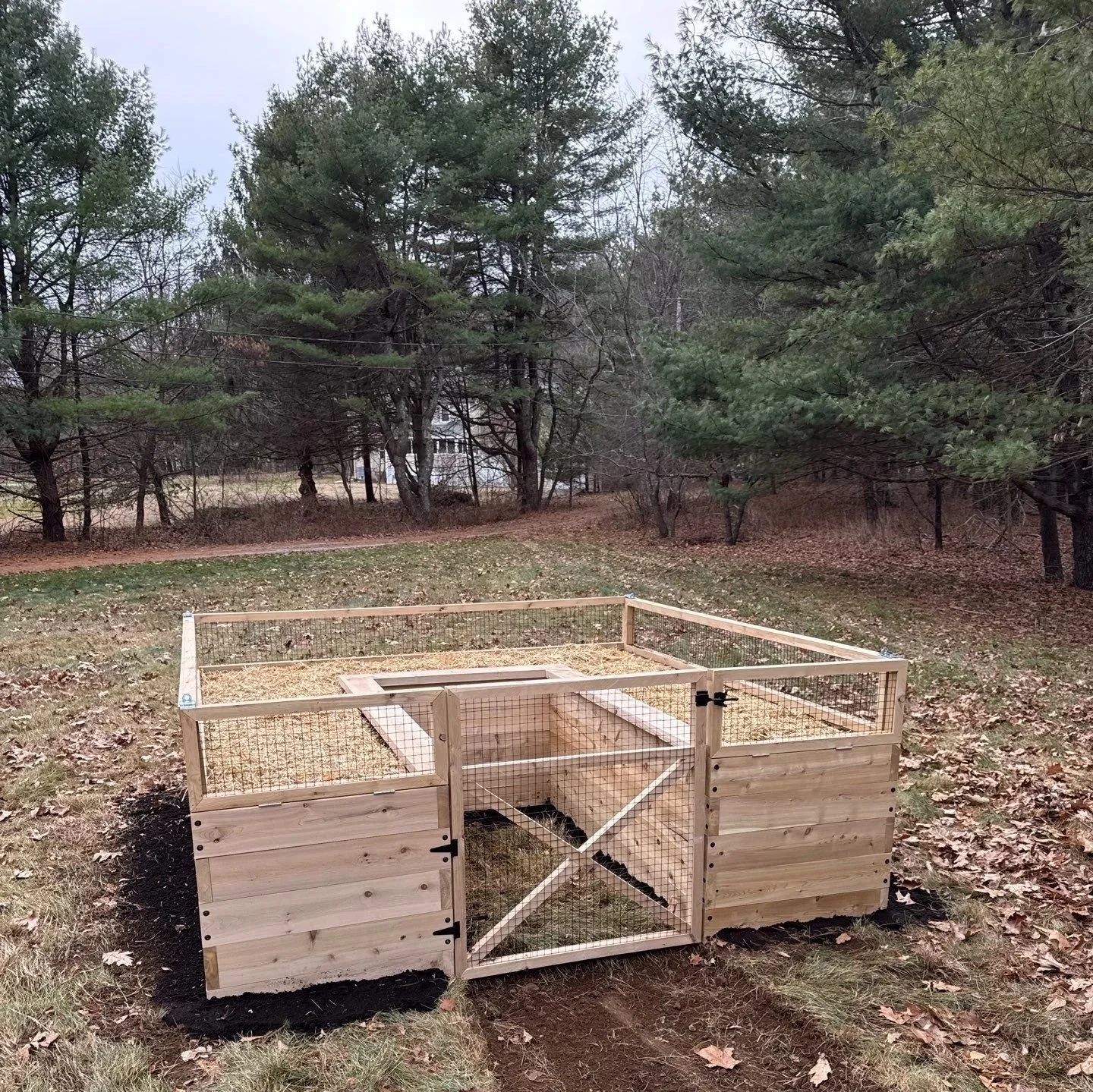
Winter Garden Planning: What the Best Gardeners do Differently
January may look quiet, but it is one of the most important months for garden success. From protecting frozen soil to observing winter patterns and planning systems, the work done now prevents many spring problems before they start.

What do I do in the garden in November?
As the garden slips into dormancy, November invites us to slow down and listen to the land. Frost kissed mornings and quiet soil signal a time for rest, reflection, and gentle tending. In this guide, Reimagined Roots shares practical steps for protecting your garden through winter, mulching perennials, harvesting the last roots and herbs, observing seasonal patterns, and reconnecting with nature’s rhythm. Every mindful act now lays the groundwork for next year’s abundance.

Form that Feeds the Garden
A thriving garden grows from more than soil and sunlight. It grows from thoughtful form and structure that guide water, support plants, and create space for people and wildlife to thrive together. From raised beds and pergolas to compost bins and chicken coops, these elements transform a garden into a living system that feeds itself.